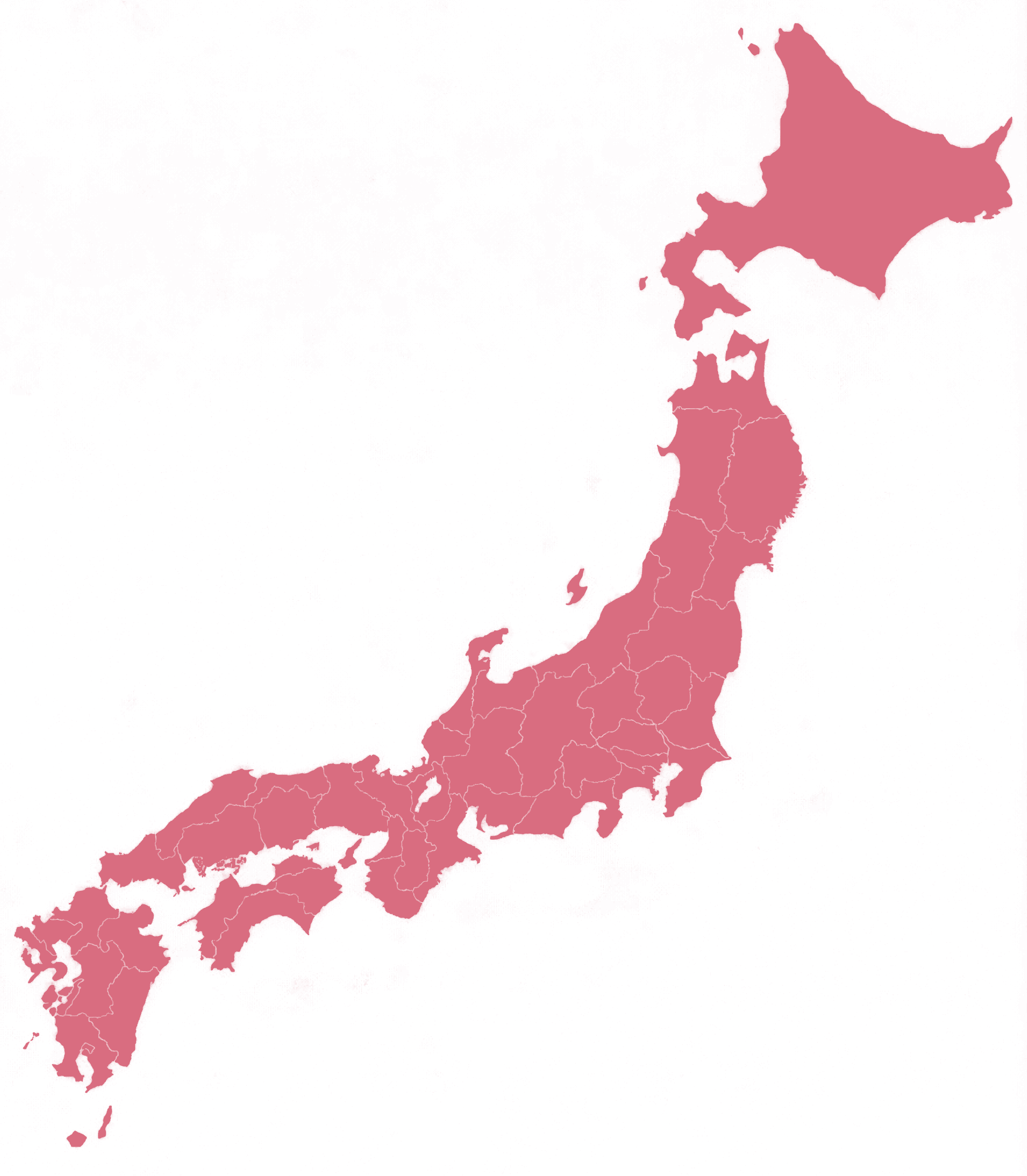
 01
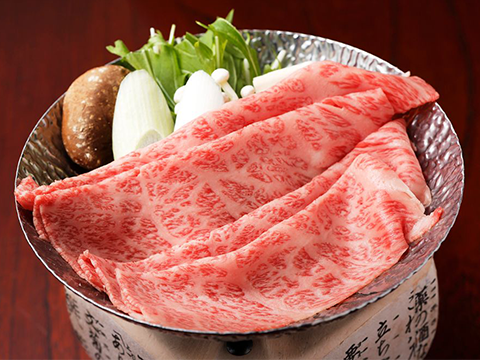
Hida Beef
飛騨牛
A premium wagyu from the Takayama area, prized for its marbling and tenderness.
Regions / 地方
Chūbu 中部
日本の屋根
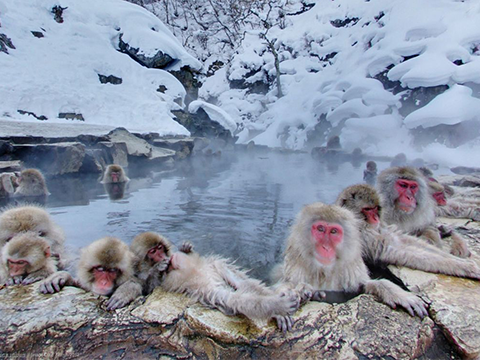
From snow monkeys to samurai castles: the mountains, coastlines, and forgotten valleys of central Japan.
中部
Capital
Nagoya 名古屋
Area
72,572 km²
Climate
Highly varied — alpine snow country in the north, mild Pacific climate in the south
Best season
Mar–May · Jul–Aug for climbing Mt. Fuji · Oct–Nov (foliage)
Overview 概要
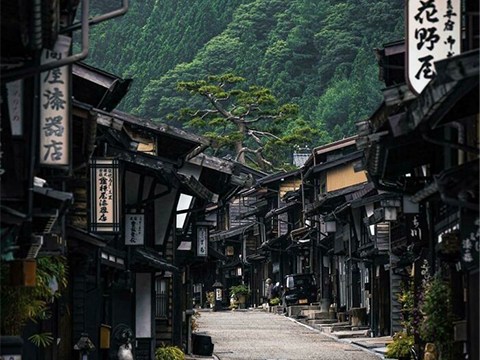
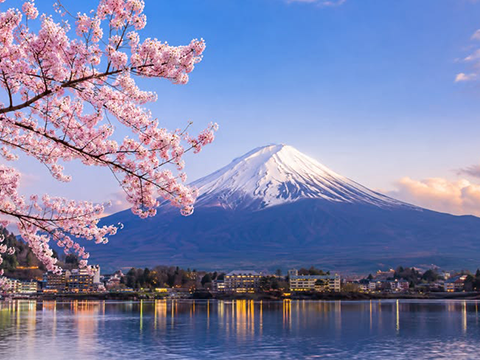
Chūbu is Japan's largest and most geographically diverse region, stretching from the Sea of Japan coast to the Pacific, and anchored by Mt. Fuji and the Japanese Alps. It's nicknamed "the roof of Japan" for its mountainous spine, home to some of the country's best hiking, skiing, and hot springs. Nagoya, the region's largest city, is a manufacturing powerhouse — Toyota is headquartered nearby — while historic towns like Takayama and Kanazawa preserve Edo-period streets and samurai-era craft traditions largely untouched by wartime bombing. Chūbu is often overlooked by first-time visitors racing between Tokyo and Kyoto, but it holds some of Japan's most dramatic scenery and best-preserved traditional towns.
Must-see highlights 見どころ
Interactive — drag, click a photo, or press ←→ Space to let it wander on its own, Enter to enlarge, S to hear the name, 1–9 to jump
Regional cuisine 郷土料理
01
Hida Beef
飛騨牛
A premium wagyu from the Takayama area, prized for its marbling and tenderness.
 02
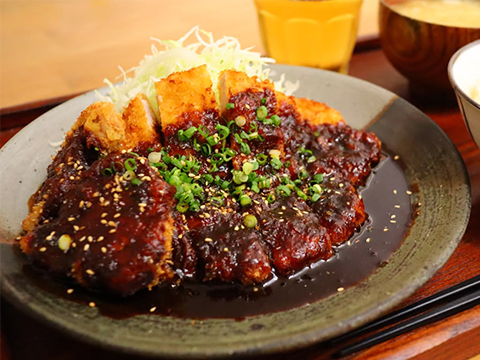
Miso Katsu
みそかつ
Nagoya's breaded pork cutlet served with a rich, sweet-savory red miso sauce.
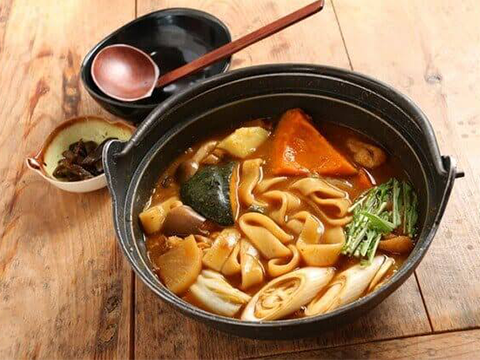 03
Hōtō
ほうとう
Yamanashi's thick, flat udon noodles simmered in a miso-based vegetable stew.
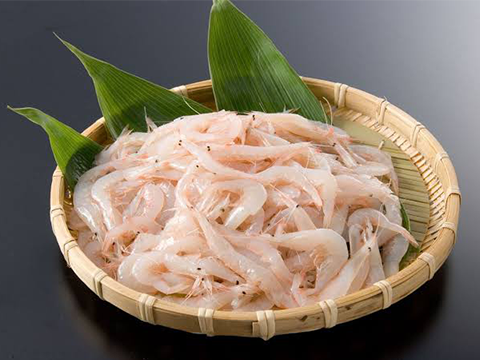 04
Toyama's Shiroebi (White Shrimp)
白えび
Translucent, sweet shrimp caught almost exclusively in Toyama Bay, often served as sashimi or tempura.
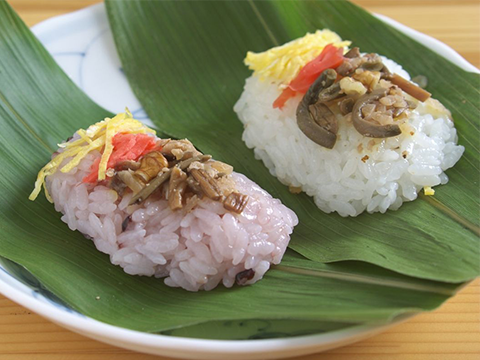 05
Sasa-zushi
笹寿司
Nagano's sushi wrapped in bamboo leaves, a mountain-region preservation tradition.
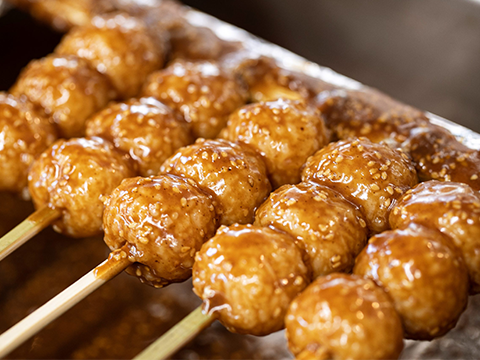 06
Gohei-mochi
五平餅
Grilled, skewered rice cakes coated in a sweet nutty miso glaze, common in the Chūbu mountains.
Festivals & events 祭り
01
Takayama Matsuri
高山祭
Mid-April & mid-October — one of Japan's most beautiful float festivals, with elaborately carved and gilded yatai floats
02
Nagoya Festival
名古屋まつり
Mid-October — a parade celebrating three of Japan's great unifiers: Oda Nobunaga, Toyotomi Hideyoshi, and Tokugawa Ieyasu
03
Owara Kaze no Bon
おわら風の盆
Early September — a haunting, lantern-lit dance festival in Toyama praying for protection from typhoon winds
04
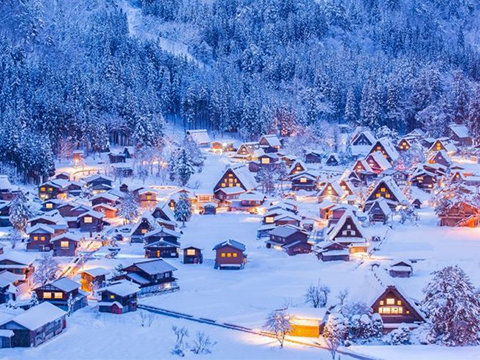
Shirakawa-go Light-Up
白川郷ライトアップ
Late January–February (select nights) — snow-covered thatched-roof village illuminated at night, requires advance reservation
冬 / Fuyu
12月–3月
December to March
The Sea of Japan side turns into real snow country — Shirakawa-gō under snow and the snow monkeys of Nagano are winter-only sights. The Pacific side around Nagoya stays mild.
夏 / Natsu
7月–8月
July and August
Mt. Fuji's climbing season opens, and Kamikōchi's alpine valleys are at their greenest. Nagoya itself is muggy — head for the mountains, where 2,000 m of altitude does the cooling.
Let's play 中部で遊ぼう
8 rounds — Chūbu food, places and festivals, every round with a photo. Press Start, then answer in English. Listen with the speaker button any time.
ROUND
1/08
SCORE
0
STREAK
0
TIME
15
First run
雪

Getting there アクセス
Nagoya is Chūbu's main hub, about 100 minutes from Tokyo and 35 minutes from Osaka on the Tōkaidō Shinkansen, making it a convenient midpoint stop between the two. Chubu Centrair International Airport (NGO) offers direct international flights. Reaching mountain towns like Takayama and Shirakawa-go usually requires a limited express train plus a bus, and having a car opens much more of the region's rural scenery — though winter driving in the Alps can be demanding. Matsumoto and Nagano are also well-connected by rail for those heading toward the Japanese Alps.