 01
Sanuki Udon
讃岐うどん
Kagawa's famously firm, chewy udon noodles; the prefecture has more udon shops per capita than anywhere else in Japan.
Regions / 地方
Shikoku 四国
巡礼の道
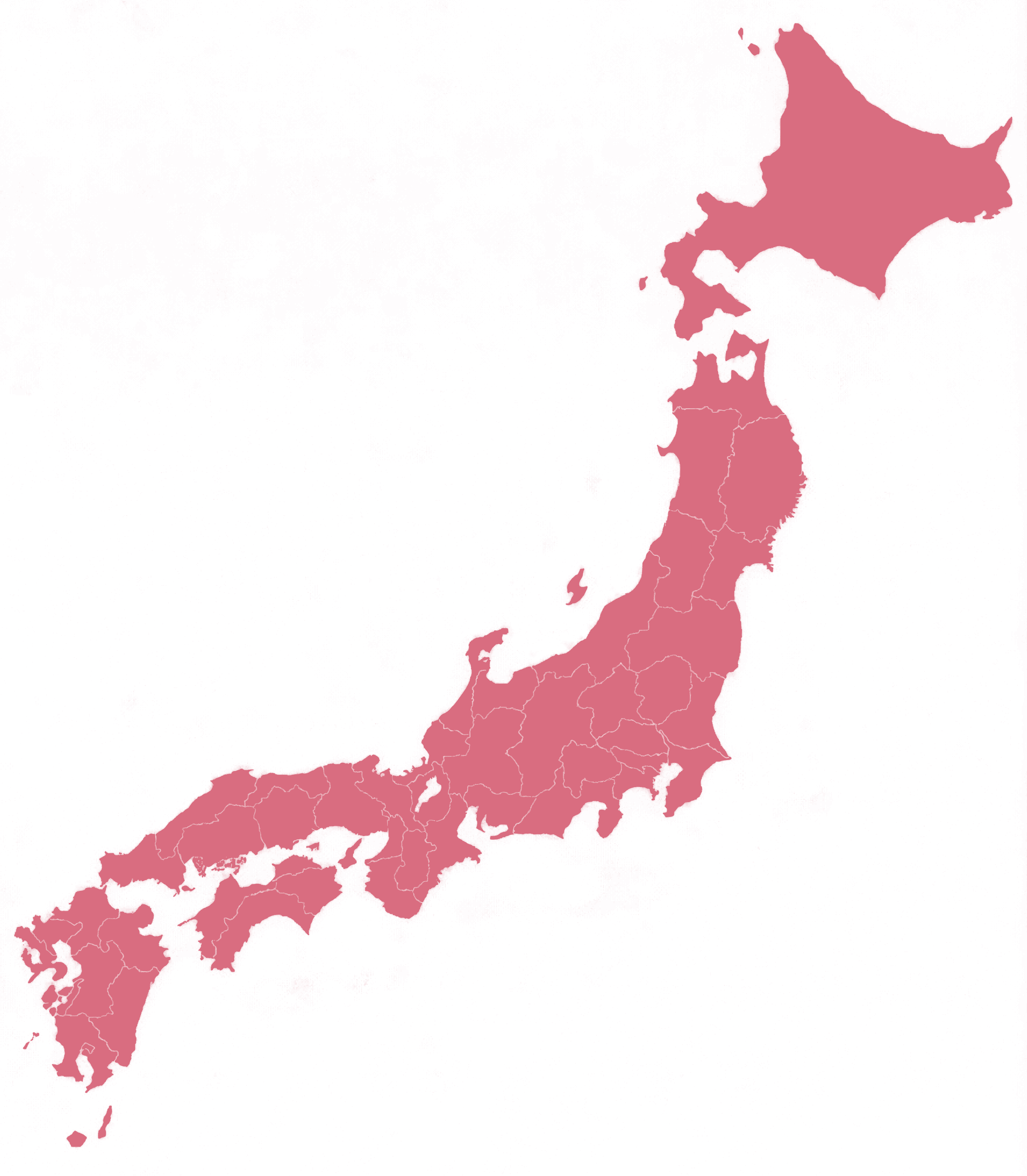
Japan's smallest main island, and its quietest — sacred trails, citrus groves, and turquoise valleys.
四国
Capital
Matsuyama 松山
Area
18,800 km²
Climate
Warm Pacific & Seto-Inland climate · mild winters · typhoon-prone autumns
Best season
Apr · Oct–Nov · Aug (Awa Odori)
Overview 概要
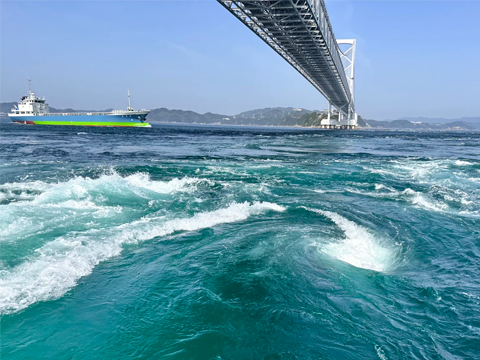
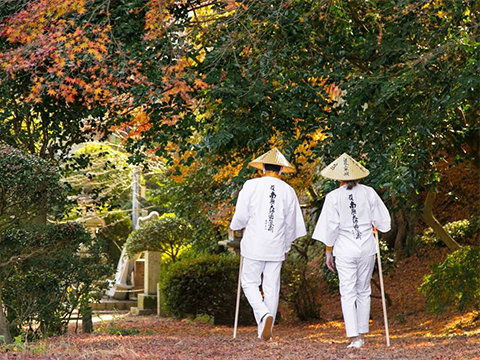
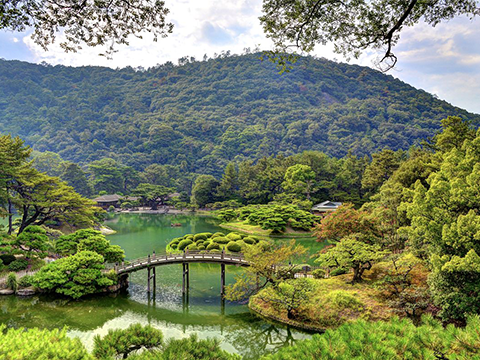
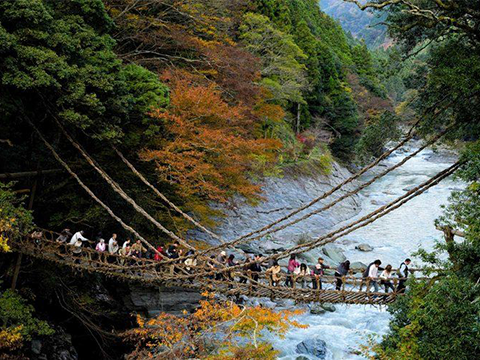
Shikoku is the smallest of Japan's four main islands and one of its least-visited, best known for the 88 Temple Pilgrimage (Ohenro), a roughly 1,200-kilometer loop of sacred sites tracing the footsteps of the Buddhist monk Kūkai. The island is defined by dramatic natural scenery — the swirling tidal whirlpools of the Naruto Strait, the impossibly clear turquoise waters of the Iya Valley, and vine bridges built by fleeing samurai centuries ago. Shikoku's four prefectures — Tokushima, Kagawa, Ehime, and Kōchi — each have a distinct identity, from Kagawa's udon obsession to Kōchi's rowdy, sake-heavy festival culture. With no Shinkansen access, Shikoku remains one of the more untouched corners of Japan.
Must-see highlights 見どころ
Interactive — drag, click a photo, or press ←→ Space to let it wander on its own, Enter to enlarge, S to hear the name, 1–9 to jump
Regional cuisine 郷土料理
01
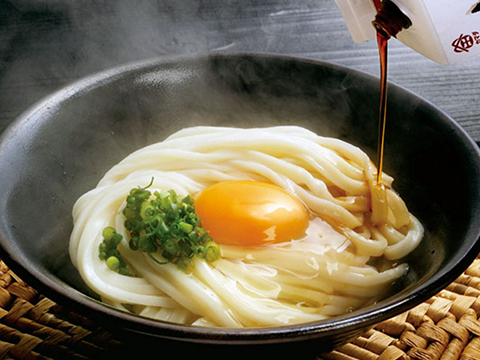
Sanuki Udon
讃岐うどん
Kagawa's famously firm, chewy udon noodles; the prefecture has more udon shops per capita than anywhere else in Japan.
 02
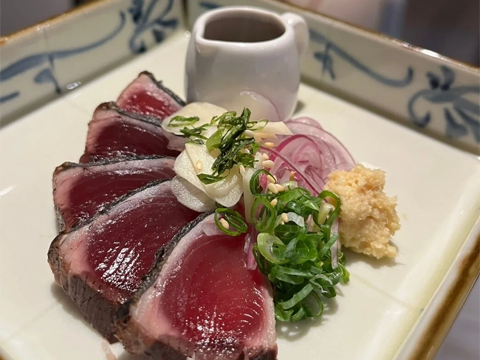
Katsuo no Tataki
かつおのたたき
Kōchi's seared bonito, lightly torched outside and raw inside, served with garlic and citrus.
 03
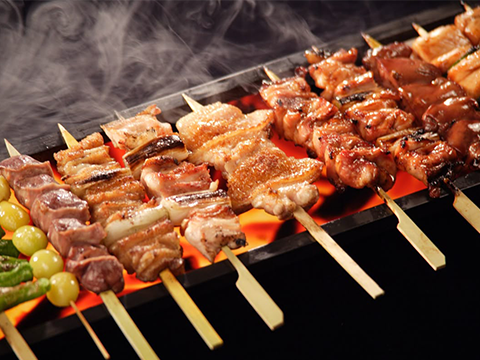
Imabari Yakitori
今治焼き鳥
Ehime's grilled skewers, cooked on a hot iron plate rather than an open grill.
 04
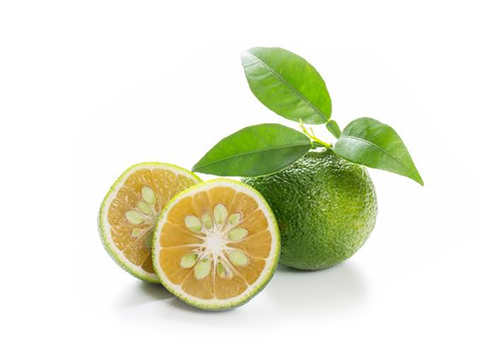
Sudachi Citrus
すだち
Tokushima's small, tart green citrus fruit used to flavor everything from soba to sake.
 05
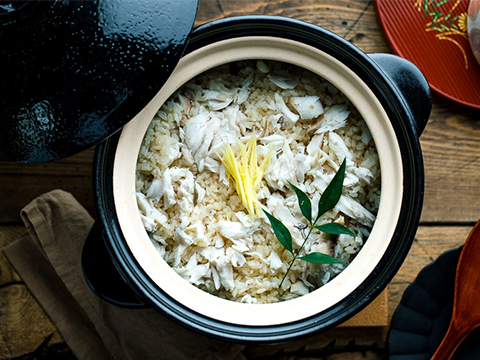
Tai Meshi
鯛めし
Ehime's sea bream rice, either simmered whole or served as a raw-fish rice bowl depending on the region.
 06
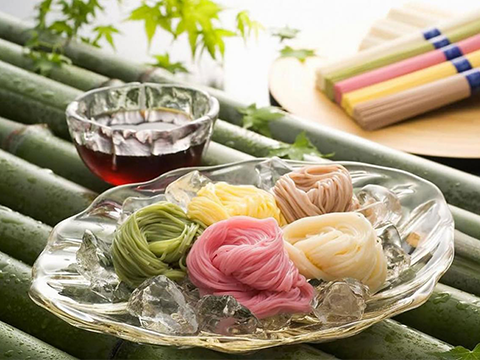
Goshiki Sōmen
五色そうめん
Tokushima's thin wheat noodles dyed in five colors, often given as gifts.
Festivals & events 祭り
01
Awa Odori
阿波踊り
Mid-August — Japan's most famous dance festival, held in Tokushima during Obon, with hundreds of dance troupes parading through the streets
02
Kōchi Yosakoi Festival
よさこい祭り
Early August — a high-energy dance festival born in Kōchi, now replicated across Japan (including Hokkaido's Yosakoi Sōran)
03
Niihama Taiko Matsuri
新居浜太鼓祭り
Mid-October — Ehime's festival of massive, elaborately decorated taiko drum floats carried through the streets
04
Marugame Uchiwa Festival
丸亀うちわ祭
Summer — celebrates Marugame's centuries-old tradition as Japan's top producer of uchiwa fans
冬 / Fuyu
12月–2月
December to February
The mildest winters of the four main islands — bright citrus groves and an empty 88-temple pilgrimage trail. Winter sun makes the Shimanto gorges glass-clear.
夏 / Natsu
7月–8月
July and August
Awa Odori takes over Tokushima in mid-August, and the Shimanto and Yoshino rivers are whitewater season. Keep an eye on typhoon forecasts before booking island ferries.
Let's play 四国で遊ぼう
8 rounds — Shikoku food, places and festivals, every round with a photo. Press Start, then answer in English. Listen with the speaker button any time.
ROUND
1/08
SCORE
0
STREAK
0
TIME
15
First run
雪

Getting there アクセス
Shikoku has no Shinkansen line, so most visitors arrive via Okayama on the mainland, crossing the Seto Great Bridge by limited express train into Takamatsu, Shikoku's main gateway (about 1 hour from Okayama). Matsuyama and Kōchi also have small airports with domestic flights from Tokyo and Osaka. Once on the island, a car is highly recommended — rural areas like the Iya Valley have very limited public transit, and much of Shikoku's appeal lies in its slower-paced countryside.