 01
Edomae Sushi
江戸前寿司
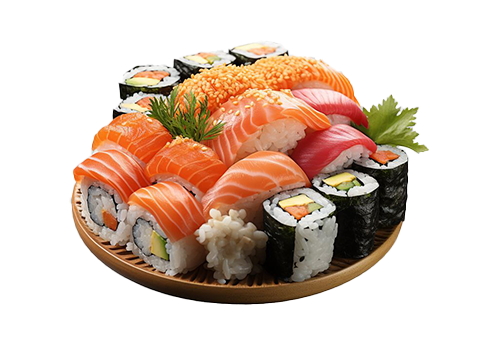
The original style of sushi, born in Tokyo Bay; fish cured or marinated rather than served raw, atop hand-pressed rice.
Regions / 地方
Kantō 関東
百万の都
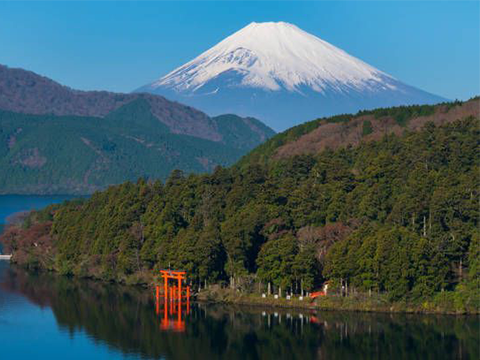
Japan's beating heart: 40 million people, one shogun's old capital, and Mt. Fuji watching over it all.
関東
Capital
Tokyo 東京
Area
32,423 km²
Climate
Mild Pacific climate · hot humid summers · cool dry winters
Best season
Mar–Apr (sakura) · Oct–Nov (autumn colours)
Overview 概要
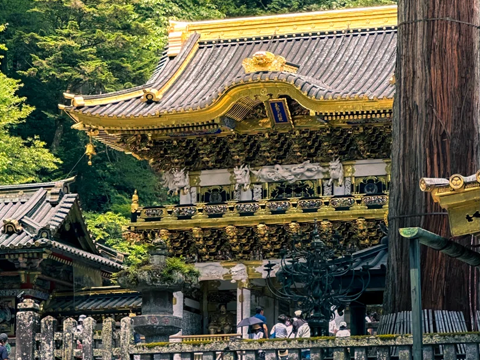
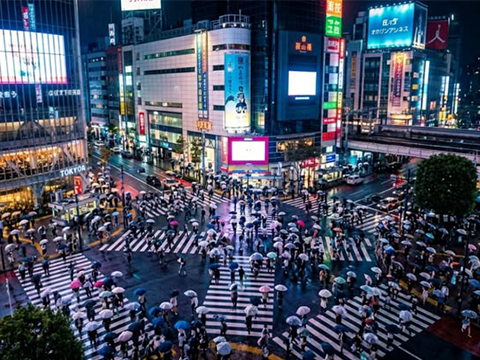
Kantō is Japan's most populous region — home to Tokyo, Yokohama, and the old capital of Edo, now the beating heart of modern Japan. It's a mix of dense metropolis and quiet contrast: Kamakura's temples, Hakone's hot springs, and views of Mt. Fuji are all within day-trip distance of the world's largest urban area. Kantō is where centuries of history collide with neon skylines — the Tokugawa shogunate ruled from Edo Castle for over 250 years, and traces of that era survive in Nikkō's shrines and old castle towns even as the region drives Japan's economy, fashion, and pop culture today.
Must-see highlights 見どころ
Interactive — drag, click a photo, or press ←→ Space to let it wander on its own, Enter to enlarge, S to hear the name, 1–9 to jump
Regional cuisine 郷土料理
01
Edomae Sushi
江戸前寿司
The original style of sushi, born in Tokyo Bay; fish cured or marinated rather than served raw, atop hand-pressed rice.
 02
Monjayaki
もんじゃ焼き
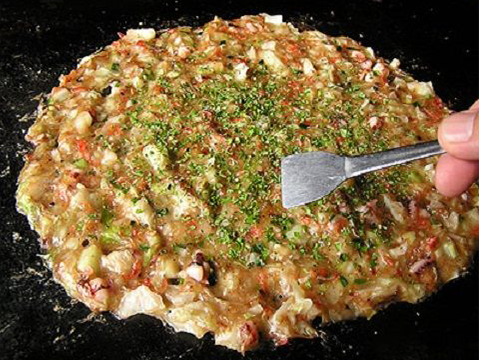
A runny, savory batter dish grilled tableside, a Tokyo cousin of okonomiyaki centered in Tsukishima.
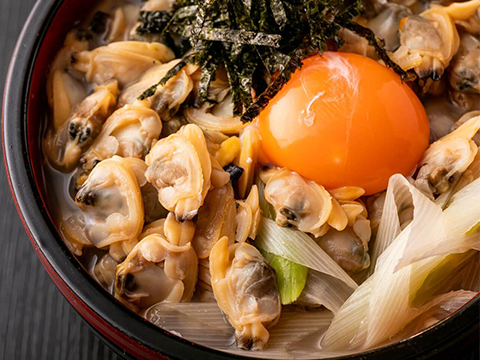 03
Fukagawa-meshi
深川めし
A Tokyo fisherman's dish of rice topped or simmered with clams and miso broth.
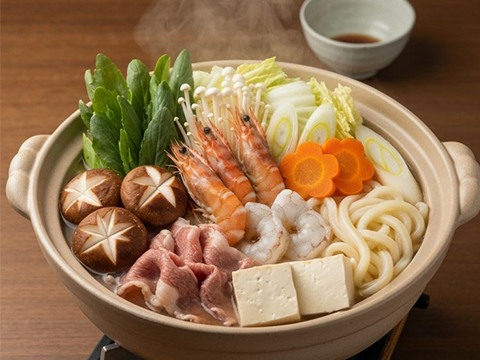 04
Chanko Nabe
ちゃんこ鍋
The protein-heavy hot pot eaten by sumo wrestlers, widely available near Tokyo's sumo stables in Ryōgoku.
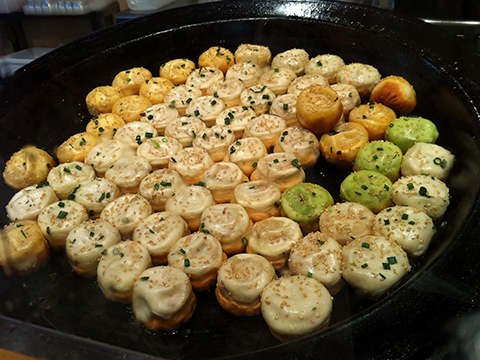 05
Yokohama Chūka (Chinatown cuisine)
横浜中華街
Japan's largest Chinatown, home to a distinct Japanese-Chinese fusion food culture.
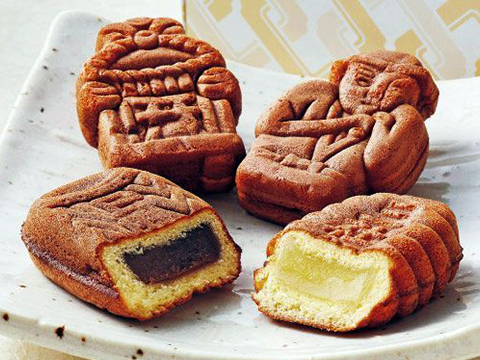 06
Ningyō-yaki
人形焼き
Small cake-like sweets shaped like lanterns or figures, a classic Asakusa souvenir.
Festivals & events 祭り
01
Sanja Matsuri
三社祭
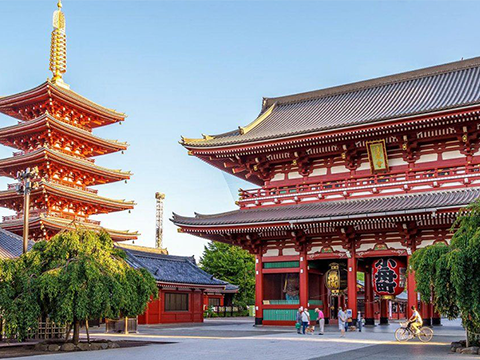
Mid-May — one of Tokyo's largest and wildest festivals, centered on Asakusa's Sensō-ji, with over 100 mikoshi (portable shrines)
02
Kanda Matsuri
神田祭
Mid-May (odd years) — one of Tokyo's three great Shinto festivals, with a massive procession through central Tokyo
03
Sumidagawa Fireworks
隅田川花火大会
Late July — one of Japan's oldest fireworks festivals, launched over the Sumida River since the Edo period
04
Kamakura Fireworks Festival
鎌倉花火大会
Late July / August — fireworks launched from boats off the coast, framed by Kamakura's beaches and temples
冬 / Fuyu
12月–2月
December to February
Crisp, dry and mostly sunny — Tokyo rarely drops below freezing. Cold clear air means the sharpest Mt. Fuji views of the year and citywide illuminations.
夏 / Natsu
7月–8月
July and August
Hot and seriously humid — 35°C days are normal, so plan museums and cafés around the afternoon. Fireworks over the Sumida and cooler hills in Nikkō and Chichibu are the payoff.
Let's play 関東で遊ぼう
8 rounds — Kantō food, places and festivals, every round with a photo. Press Start, then answer in English. Listen with the speaker button any time.
ROUND
1/08
SCORE
0
STREAK
0
TIME
15
First run
雪

Getting there アクセス
Tokyo is Japan's main international gateway, served by Narita (NRT) and Haneda (HND) airports, with Haneda being closer to the city center at about 30 minutes from central Tokyo by train. The Shinkansen network radiates outward from Tokyo Station, making day trips to Hakone, Nikkō, Kamakura, and beyond extremely easy — most of Kantō is reachable by train without ever needing a car. Tokyo's own transit system, including the JR Yamanote Line and an extensive subway network, is dense enough that a car is more of a hindrance than a help within the city itself.