 01
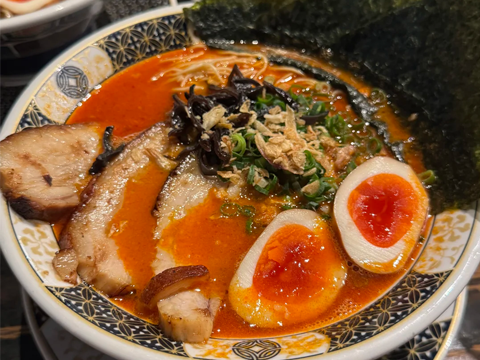
Hakata Tonkotsu Ramen
博多とんこつラーメン
Fukuoka's famous pork-bone broth ramen, rich and cloudy, with thin, firm noodles.
Regions / 地方
Kyūshū 九州
火山と温泉の島
Volcanoes, tonkotsu ramen, and hot springs — the island where Japan first made contact with the world.
九州
Capital
Fukuoka 福岡
Area
42,232 km²
Climate
Warm Pacific & East China Sea climate · hot humid summers · mild winters
Best season
Mar–May · Oct–Nov · winter for hot springs
Overview 概要
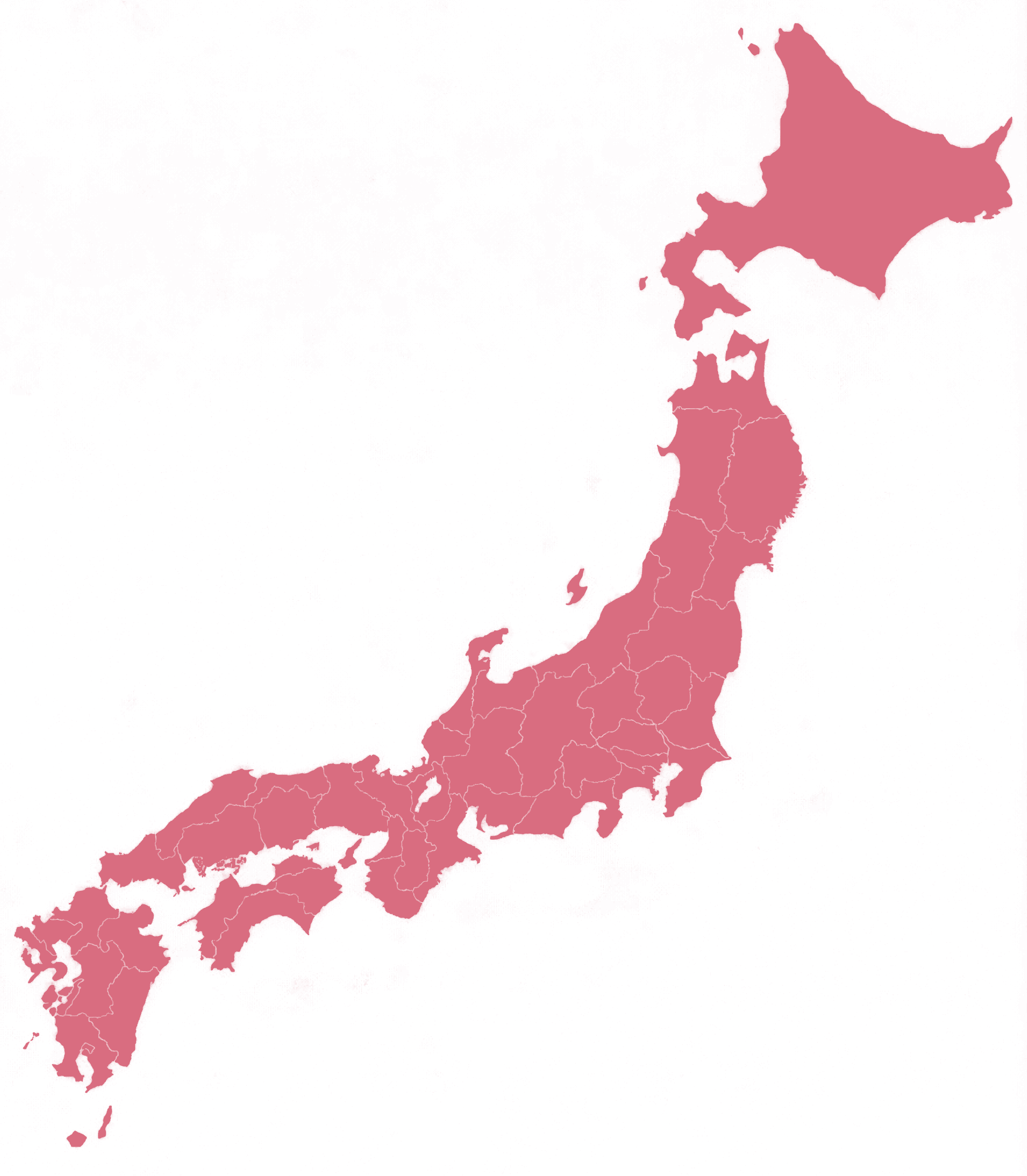
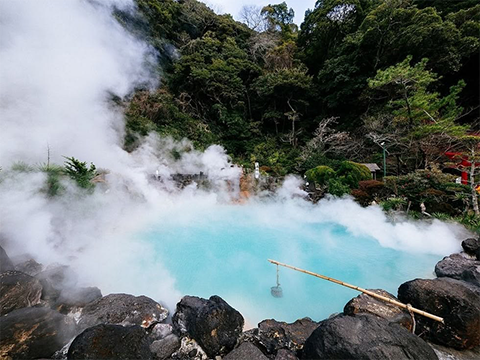
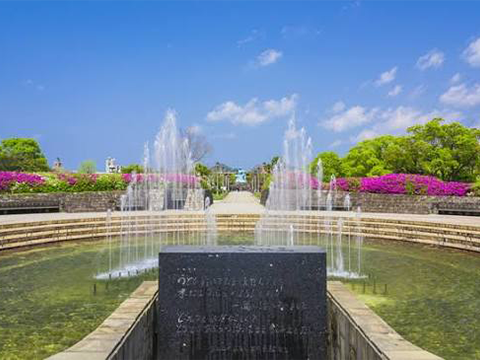
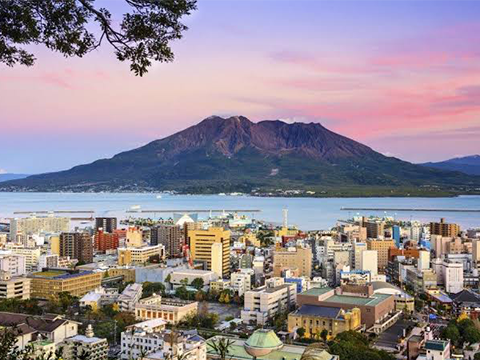
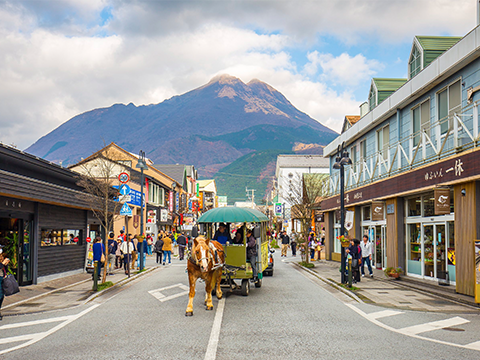
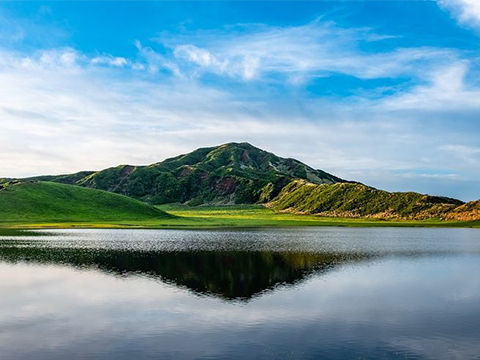
Kyūshū is Japan's third-largest island and its southern gateway, historically the first point of contact with Chinese, Korean, and later Portuguese and Dutch traders — Nagasaki in particular was one of Japan's only windows to the outside world during the country's 200+ years of isolation (sakoku). The island remains geologically restless: Mount Aso, one of the world's largest volcanic calderas, still smokes actively, and Beppu and Yufuin channel that volcanic energy into some of Japan's most famous hot spring towns. Fukuoka, Kyūshū's largest city, is a modern, food-driven hub known for its yatai (street food stalls) and tonkotsu ramen, while Kagoshima in the south sits in the shadow of the still-active volcano Sakurajima.
Must-see highlights 見どころ
Interactive — drag, click a photo, or press ←→ Space to let it wander on its own, Enter to enlarge, S to hear the name, 1–9 to jump
Regional cuisine 郷土料理
01
Hakata Tonkotsu Ramen
博多とんこつラーメン
Fukuoka's famous pork-bone broth ramen, rich and cloudy, with thin, firm noodles.
 02
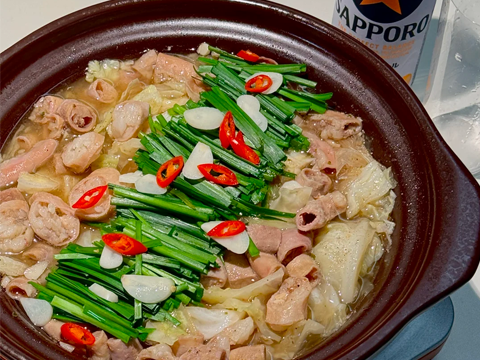
Motsunabe
もつ鍋
A hot pot of beef or pork offal simmered with cabbage and chives in a garlic-chili or miso broth, another Fukuoka specialty.
 03
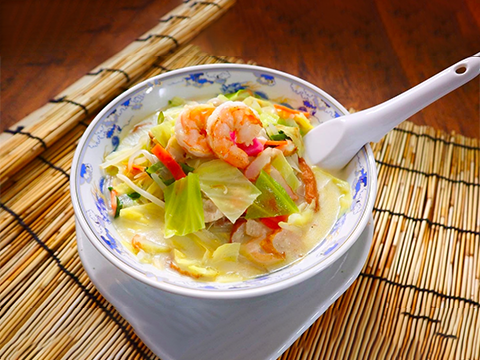
Nagasaki Champon
長崎ちゃんぽん
A noodle dish blending Chinese and Japanese influences, reflecting Nagasaki's history as a trading port.
 04
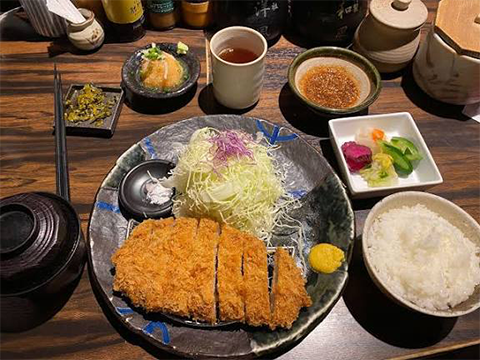
Kurobuta Tonkatsu
黒豚とんかつ
Kagoshima's prized black pork, breaded and fried, known for its tenderness.
 05
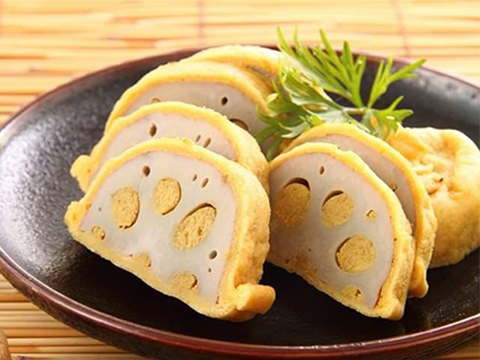
Karashi Renkon
からし蓮根
Kumamoto's deep-fried lotus root stuffed with spicy mustard-miso paste.
 06
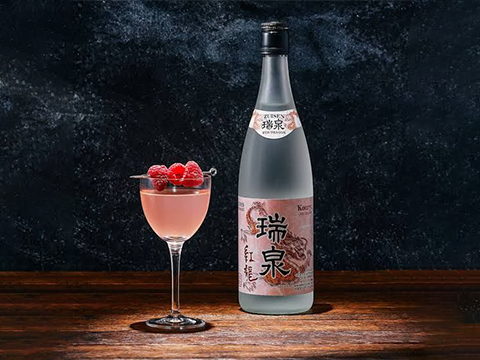
Shōchū
焼酎
Kyūshū is Japan's heartland for shōchū, a distilled spirit made from sweet potato, barley, or rice, especially in Kagoshima and Miyazaki.
Festivals & events 祭り
01
Hakata Gion Yamakasa
博多祇園山笠
Early July — Fukuoka's centuries-old festival where teams race through the streets carrying massive decorated floats
02
Nagasaki Kunchi
長崎くんち
Early October — a festival blending Japanese, Chinese, and Dutch influences, featuring a dragon dance reflecting Nagasaki's trading history
03
Karatsu Kunchi
唐津くんち
Early November — Saga's festival of enormous lacquered floats shaped like lions, dragons, and helmets, paraded through the streets
04
Ohara Matsuri
おはら祭
Mid-November — Kagoshima's largest festival, with thousands dancing through the streets to the folk song "Ohara Bushi"
冬 / Fuyu
12月–2月
December to February
Mild along the coast, snow-capped on Aso — and this is the region's trump card: steaming hotspring towns like Beppu and Yufuin are at their best when the air is cold.
夏 / Natsu
7月–8月
July and August
Blazing sun and the Hakata Gion Yamakasa races in July. Beaches in Miyazaki fill up, and late summer means typhoon watch — check forecasts before crossing to the islands.
Let's play 九州で遊ぼう
8 rounds — Kyūshū food, places and festivals, every round with a photo. Press Start, then answer in English. Listen with the speaker button any time.
ROUND
1/08
SCORE
0
STREAK
0
TIME
15
First run
雪

Getting there アクセス
Fukuoka is Kyūshū's main hub, reachable from Osaka in about 2.5 hours and Tokyo in about 5 hours on the San'yō/Kyūshū Shinkansen, or via direct flights into Fukuoka Airport, which sits unusually close to the city center. The Kyūshū Shinkansen connects Fukuoka south to Kumamoto and Kagoshima, making the island's west side easy to travel by rail, while eastern areas like Beppu and Miyazaki are better reached by limited express train or car. Nagasaki is also directly Shinkansen-connected as of 2022.