 01
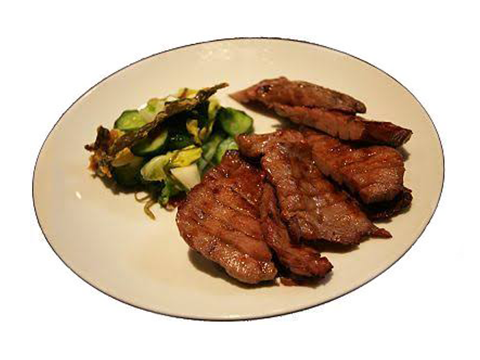
Gyūtan (Sendai Beef Tongue)
牛タン
Grilled, thinly sliced ox tongue; Sendai's signature dish, usually served with barley rice and oxtail soup.
Regions / 地方
Tōhoku 東北
山と祭りの里
Japan's rugged north — samurai strongholds, blazing summer festivals, and a coastline still rebuilding after tragedy.
東北
Capital
Sendai 仙台
Area
66,952 km²
Climate
Cool winters with heavy snow · mild summers · cherry blossoms late April
Best season
Apr–May (cherry blossoms) · Aug (Nebuta festival)
Overview 概要
Tōhoku is Japan's less-traveled north — six prefectures of rice paddies, apple orchards, and mountain ranges that isolated the region for centuries and gave it a strong, independent identity. Sendai, the largest city, is known as the "City of Trees" for its tree-lined boulevards. Summers bring some of Japan's most spectacular festivals, from Aomori's Nebuta floats to Akita's Kantō festival, while winters blanket the region in snow that feeds its many onsen towns. The 2011 earthquake and tsunami devastated much of the Pacific coast, and the region's ongoing recovery is part of its story today — coastal towns like Ishinomaki and Rikuzentakata welcome visitors interested in both memorial sites and renewal.
Must-see highlights 見どころ
Interactive — drag, click a photo, or press ←→ Space to let it wander on its own, Enter to enlarge, S to hear the name, 1–9 to jump
Regional cuisine 郷土料理
01
Gyūtan (Sendai Beef Tongue)
牛タン
Grilled, thinly sliced ox tongue; Sendai's signature dish, usually served with barley rice and oxtail soup.
 02
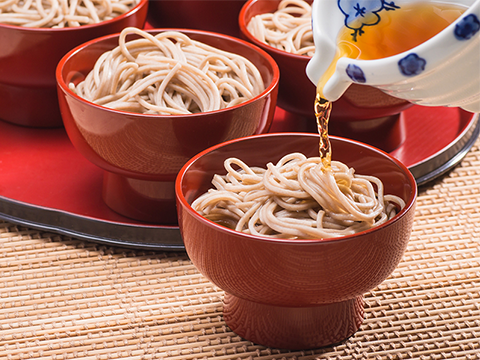
Wanko Soba
わんこそば
Iwate's bottomless soba tradition, where servers keep refilling your bowl until you cover it to signal you're done.
 03
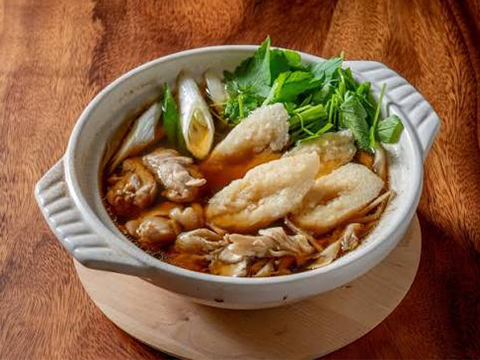
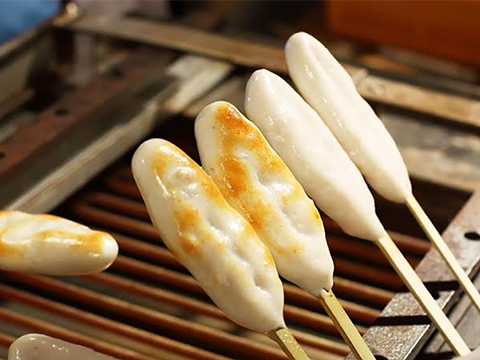
Kiritanpo
きりたんぽ
Akita specialty of mashed rice formed around a skewer and grilled, then simmered in a hot pot with chicken and vegetables.
 04
Sasa Kamaboko
笹かまぼこ
Leaf-shaped grilled fish cake, a Sendai souvenir staple.
 05
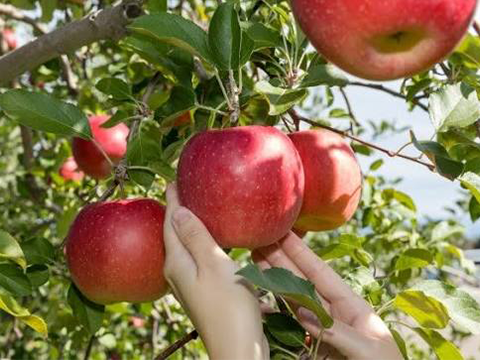
Aomori Apples
青森りんご
Japan's top apple-producing prefecture, prized for their size and sweetness.
 06
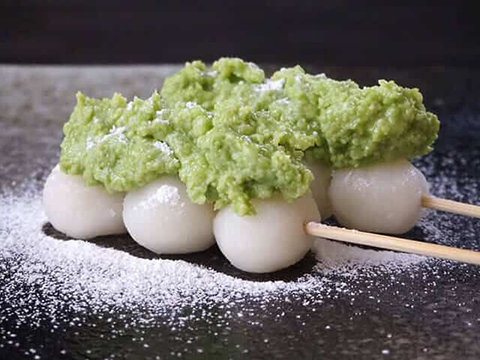
Zunda Mochi
ずんだ餅
Mochi covered in a sweet mashed edamame paste, another Sendai specialty.
Festivals & events 祭り
01
Nebuta Matsuri
ねぶた祭
Early August — Aomori's iconic festival: giant illuminated warrior floats paraded through the streets
02
Akita Kantō Matsuri
秋田竿燈まつり
Early August — performers balance long poles hung with dozens of lit lanterns on their palms, shoulders, and foreheads
03
Sendai Tanabata
仙台七夕まつり
Early August — star festival famous for enormous, elaborate paper streamers hung throughout the city
04
Hanagasa Matsuri
山形花笠まつり
Early August — Yamagata dancers in flower-decorated straw hats parade through the streets
冬 / Fuyu
12月–3月
December to March
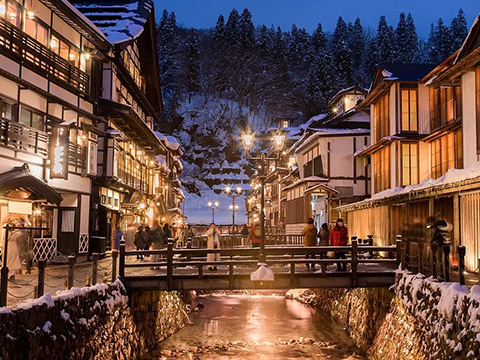
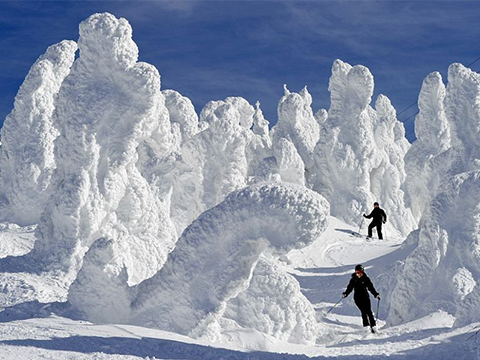
Some of the heaviest snowfall on earth buries the mountains here — Zao's juhyō "snow monsters" and steaming onsen towns are worth the cold. Pack for it.
夏 / Natsu
7月–8月
July and August
Festival season: Nebuta, Tanabata and Kantō light up the short northern summer. Nights cool off fast in the mountains, so bring a layer for the evening events.
Let's play 東北で遊ぼう
8 rounds — Tōhoku food, places and festivals, every round with a photo. Press Start, then answer in English. Listen with the speaker button any time.
ROUND
1/08
SCORE
0
STREAK
0
TIME
15
First run
雪

Getting there アクセス
Sendai is Tōhoku's main hub, roughly 90 minutes from Tokyo on the Tōhoku Shinkansen — making it an easy day trip or gateway before heading further north. The Shinkansen continues on to Morioka, Akita, and Aomori, so most of the region is reachable without a car. That said, coastal areas and smaller onsen towns often have limited train service, and renting a car opens up far more of the region, especially in Iwate and Yamagata. Sendai Airport also has direct flights from other parts of Japan and a few international routes.